RWT × CAMPAIGN
A $150K fundraising commercial for the Ralph W. Turner Foundation. Directed by Terrius Mykel, produced by Real Big Vision. The following deck is the creative direction for presentation review — scene by scene, beat by beat.
Quiet study. Loud impact.
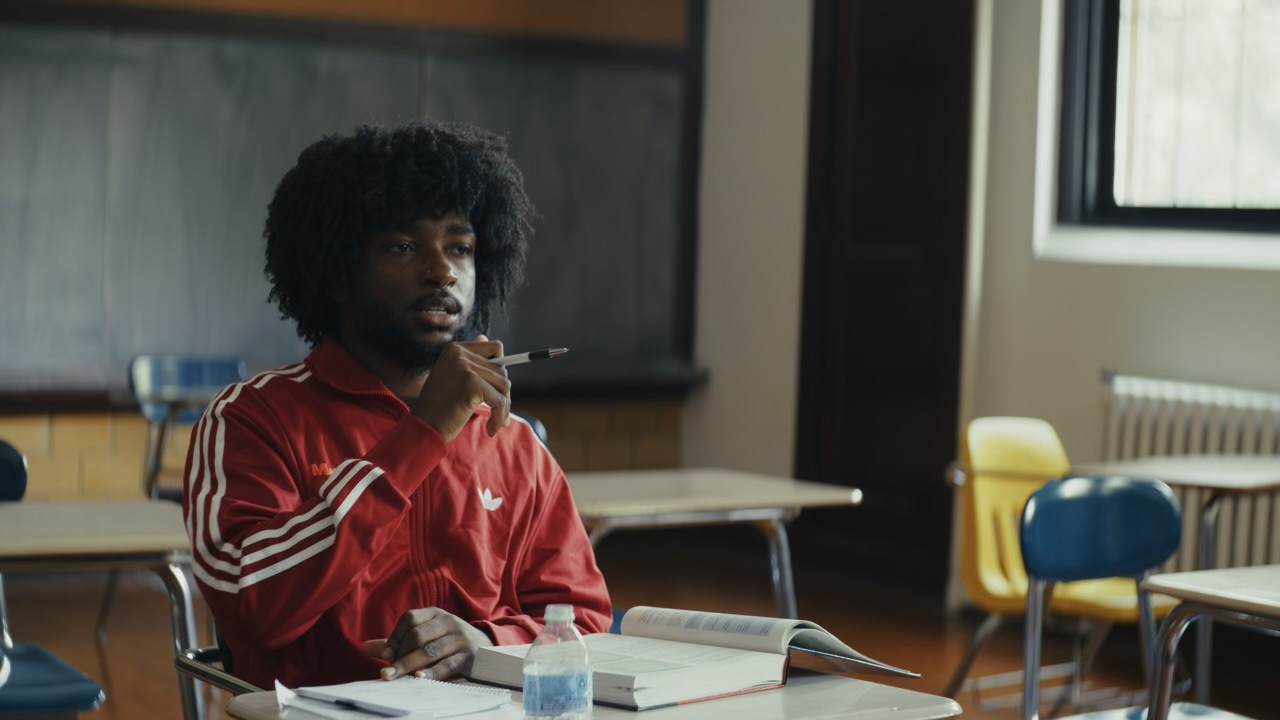
The Foundation asked for a spot that does not beg — it shows. We follow a single student through an evening of study, mentorship, and quiet resolve, and let the low-key classroom do the emotional work. No voiceover selling the mission; the imagery sells it. The red jacket is our only permission to feel something, and it appears exactly when it should.
Low-key. Long takes. One color.
We light for shadow, not fill. The classroom reads cool and dim — navy and slate — so the red jacket and the amber kicker land as the only warmth in frame. Camera moves are minimal; the cut lives in the holds, not the transitions. Sound design stays diegetic until the final beat. This is restraint as a creative choice, not a budget one.
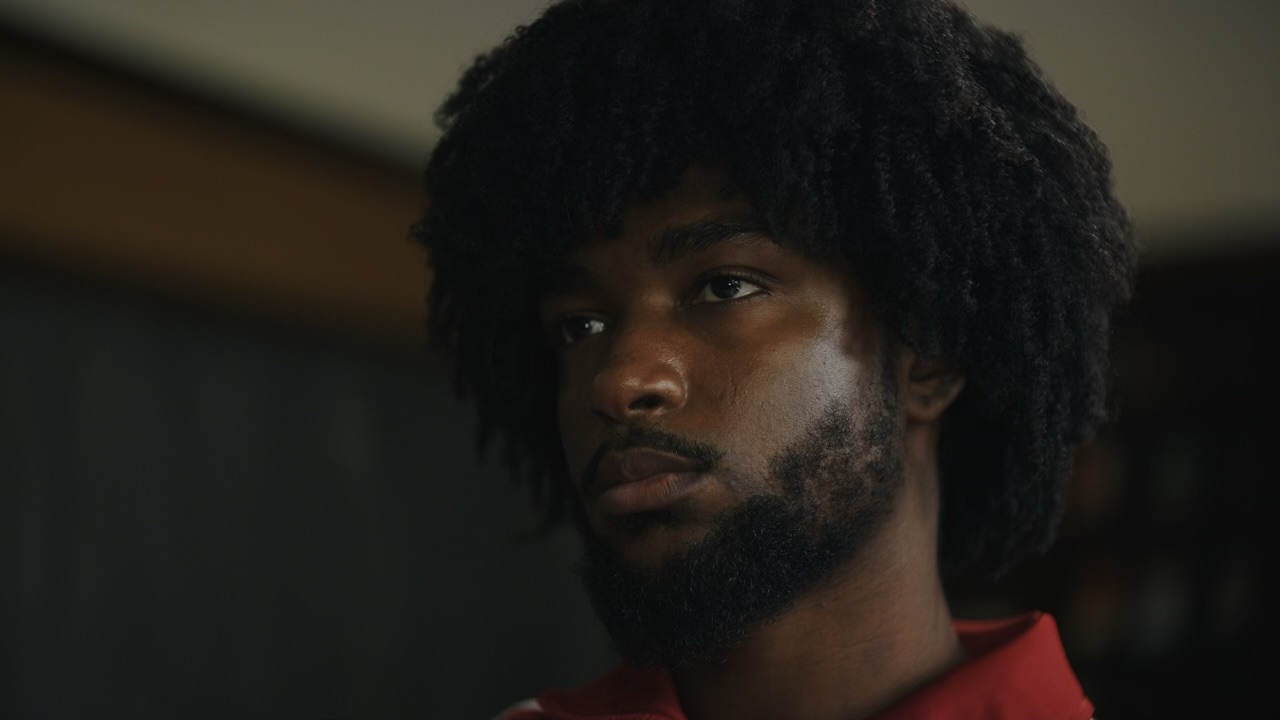
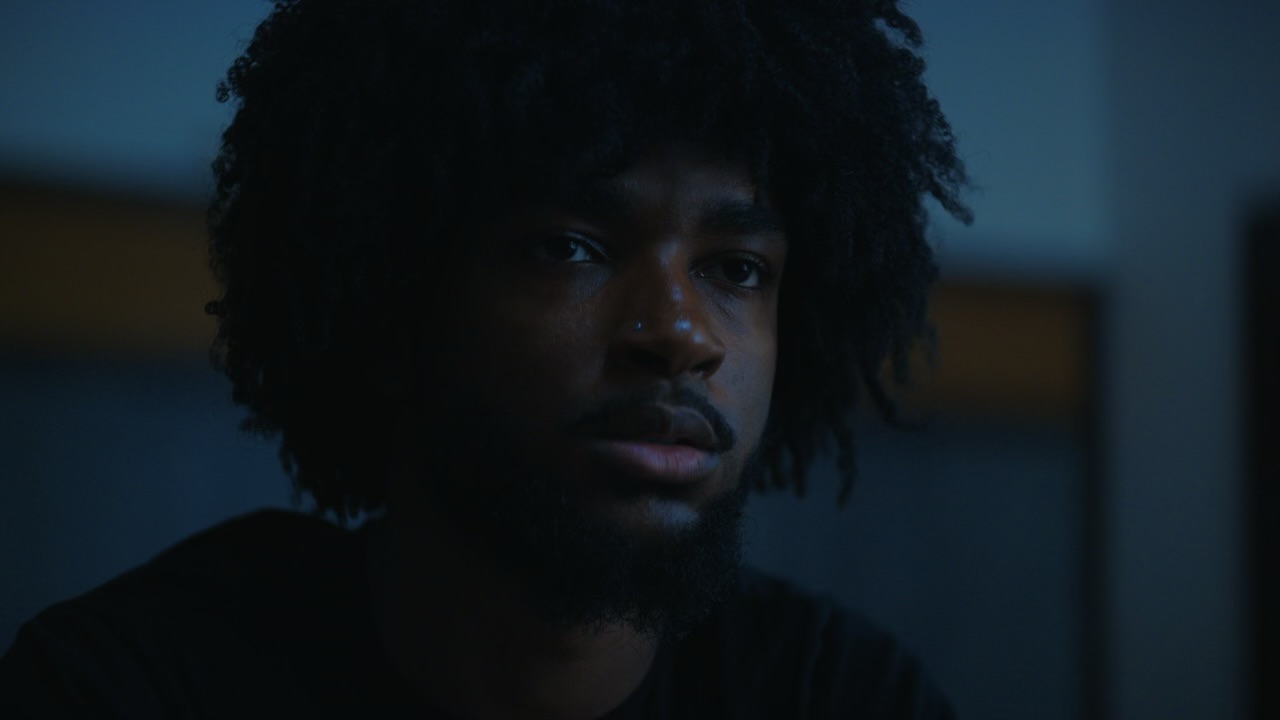
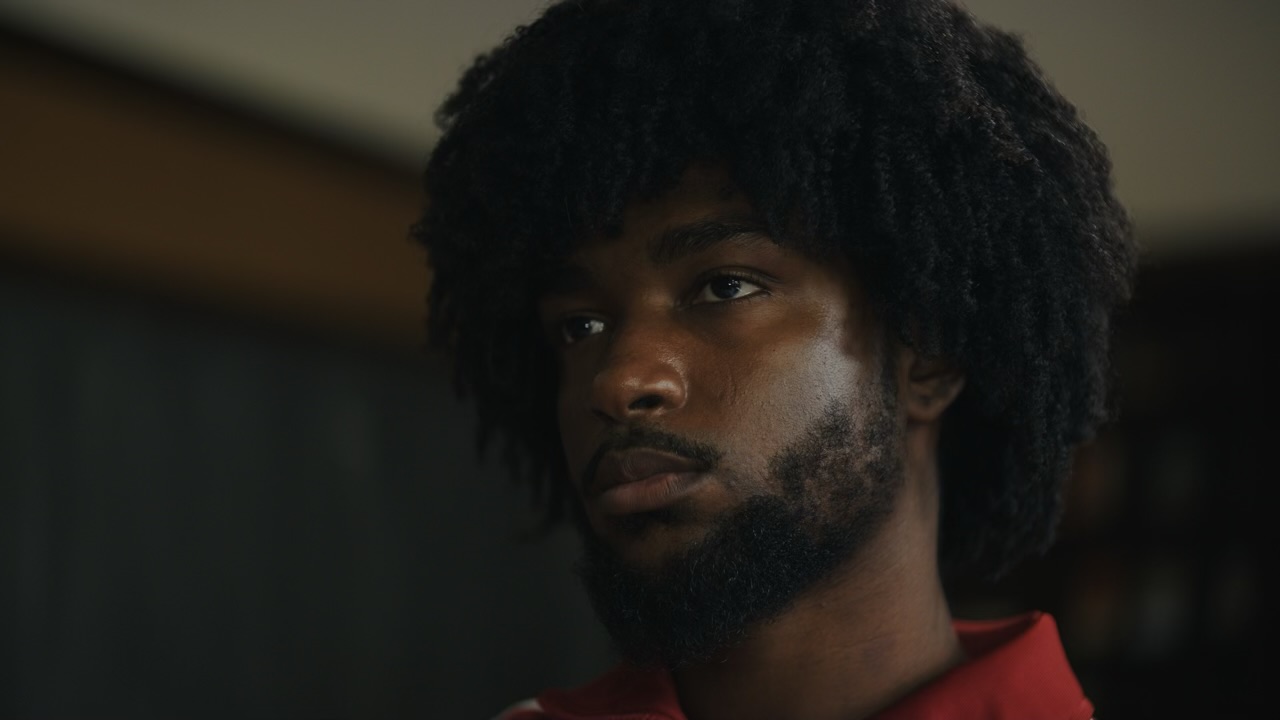
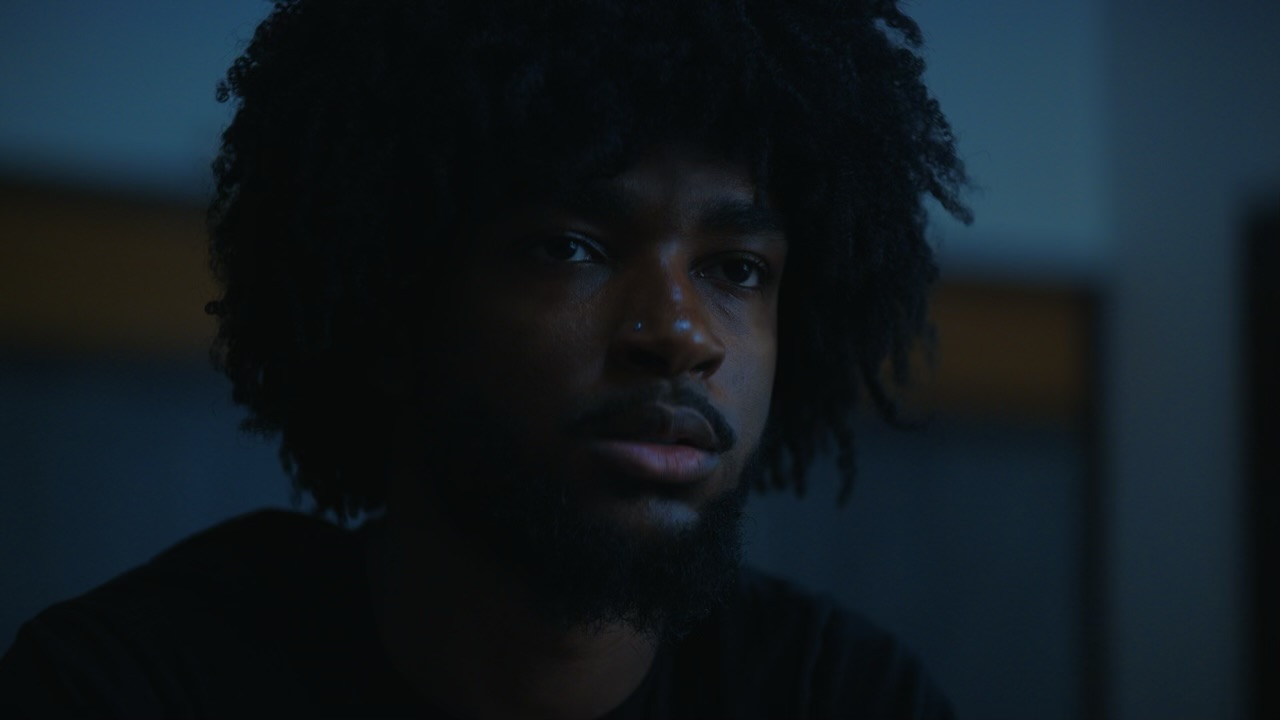
We open on a single face emerging from low-key shadow — the red jacket as the only color in frame. This is our visual thesis: one student, one light, one decision. The portrait should feel private, almost reverent, before we ever see the classroom around him.
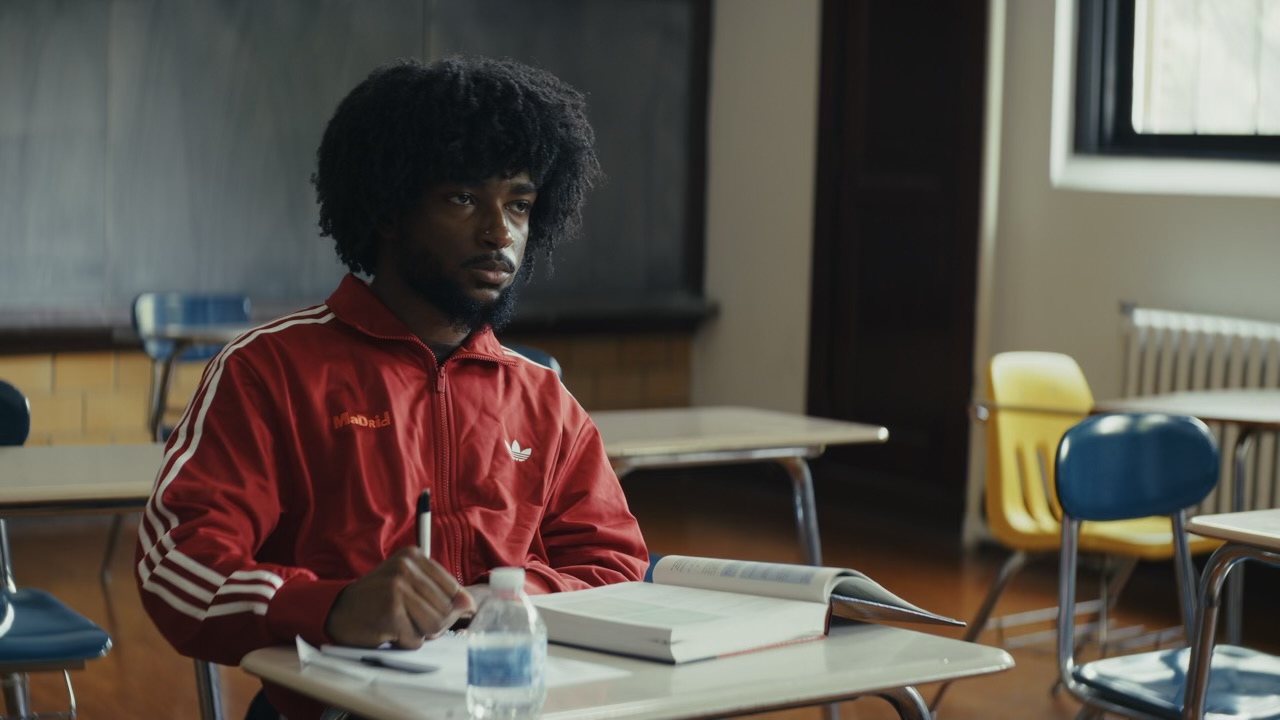
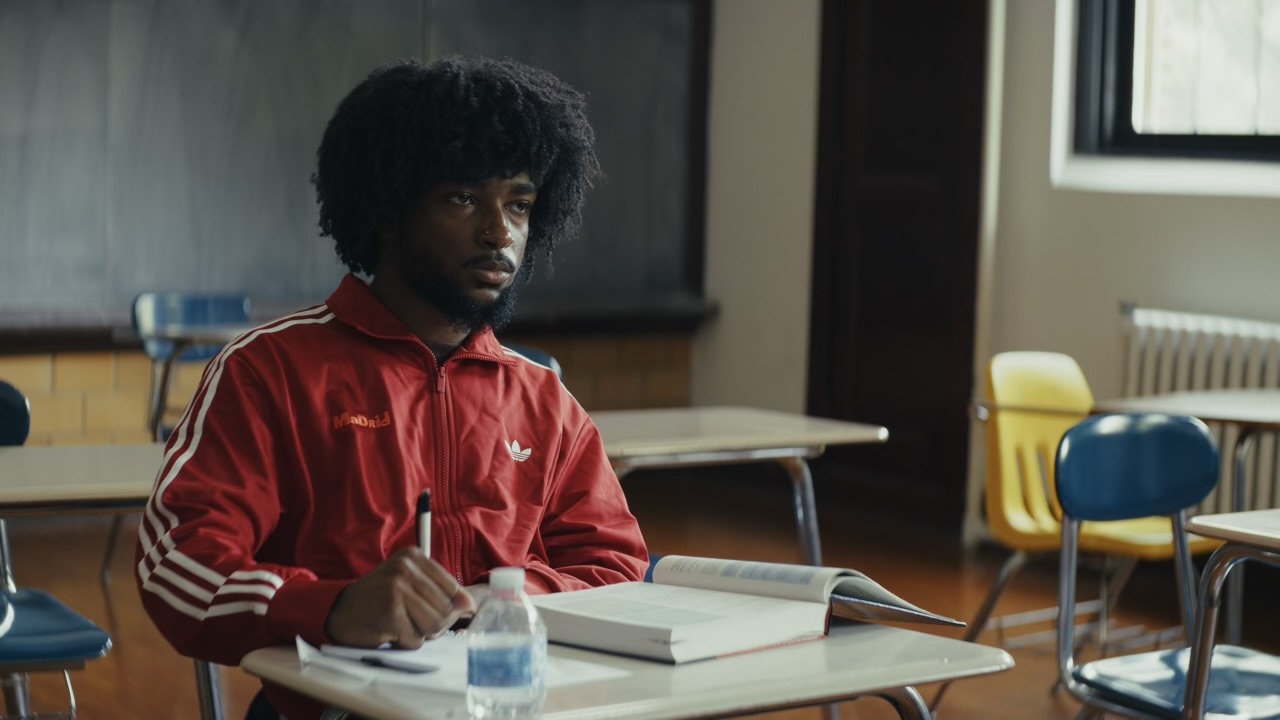
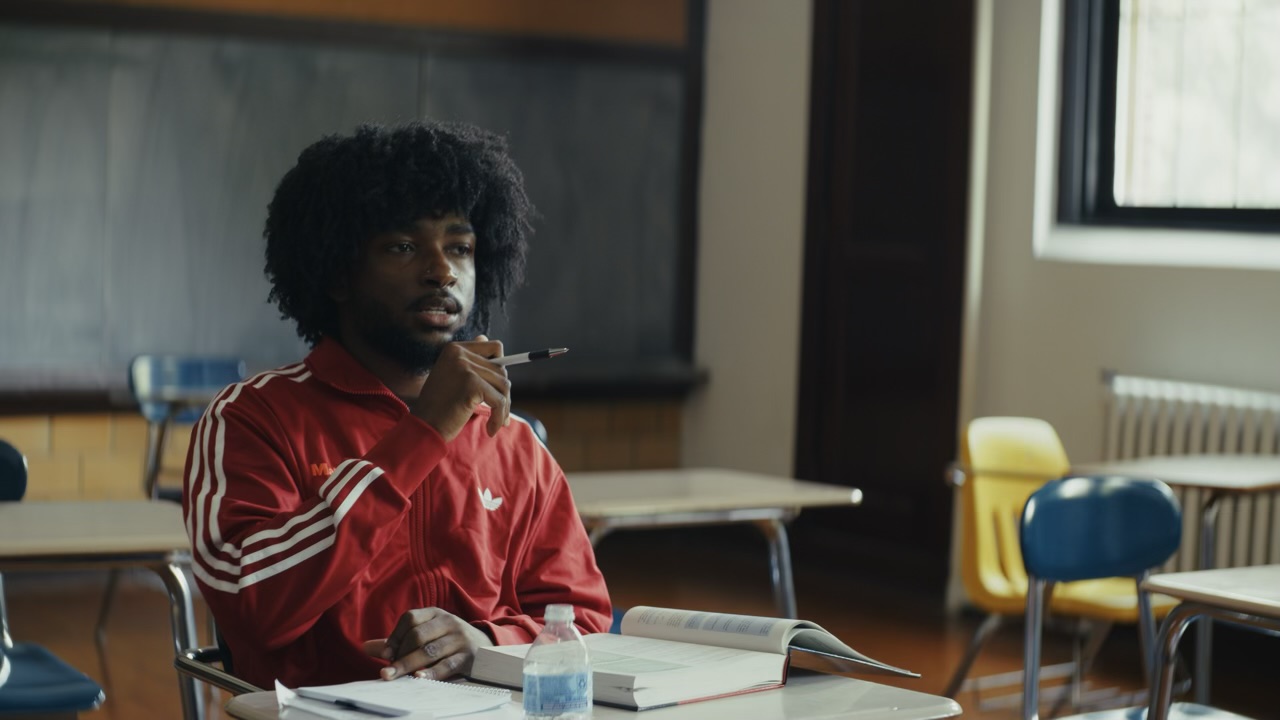
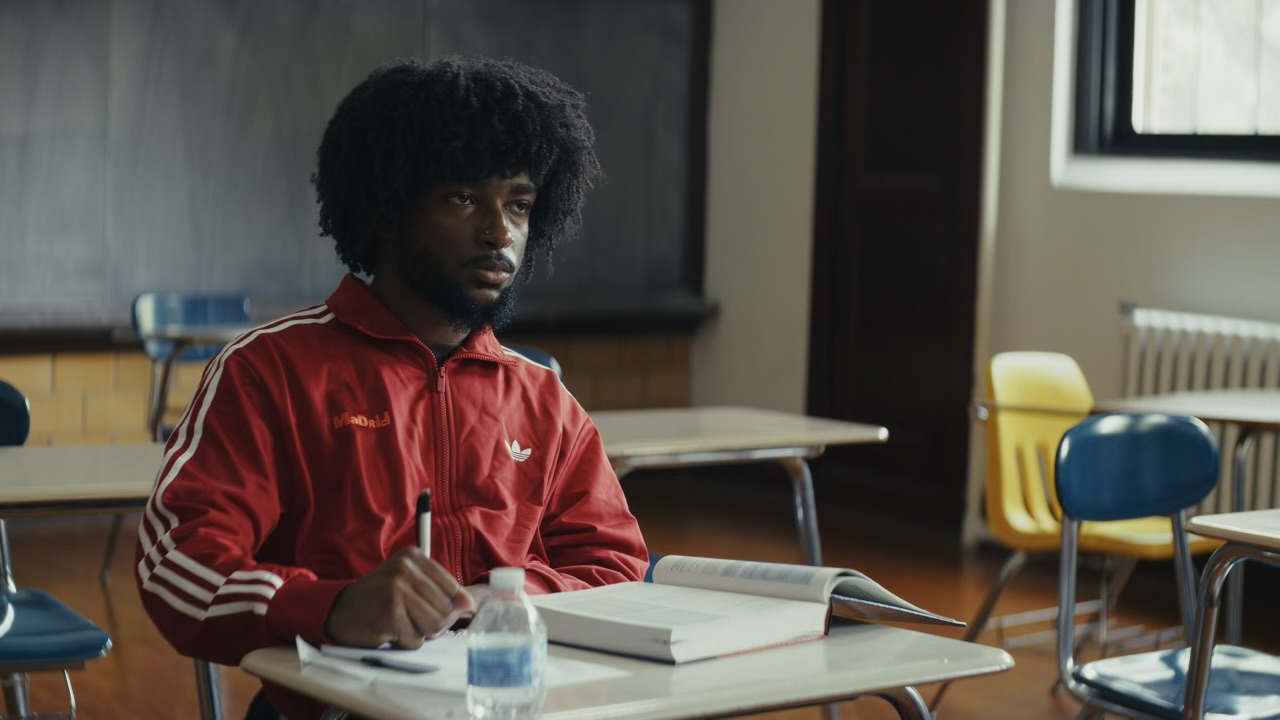
The classroom is shot dim and wide, lit so the space feels larger than the people in it. Wardrobe stays restrained — the red jacket is the only saturated element, pulling the eye to our subject no matter where he sits in frame. Camera holds on stillness; the energy comes from the light, not movement.
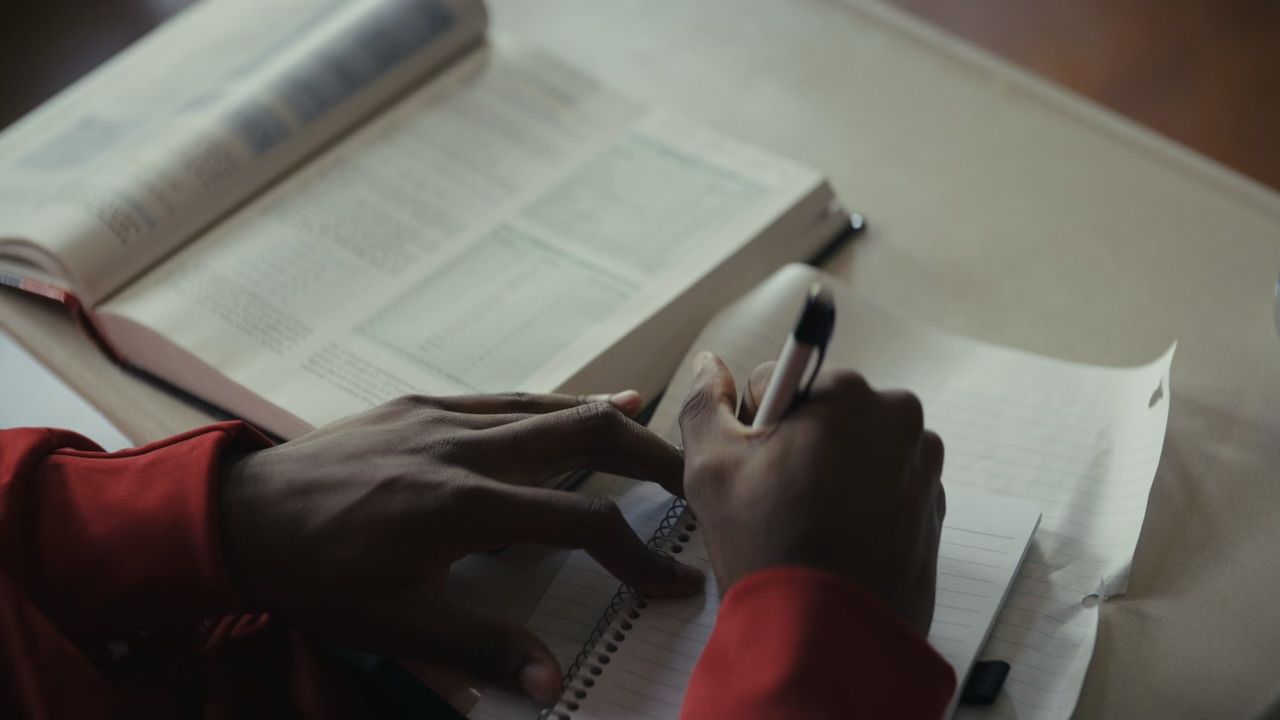
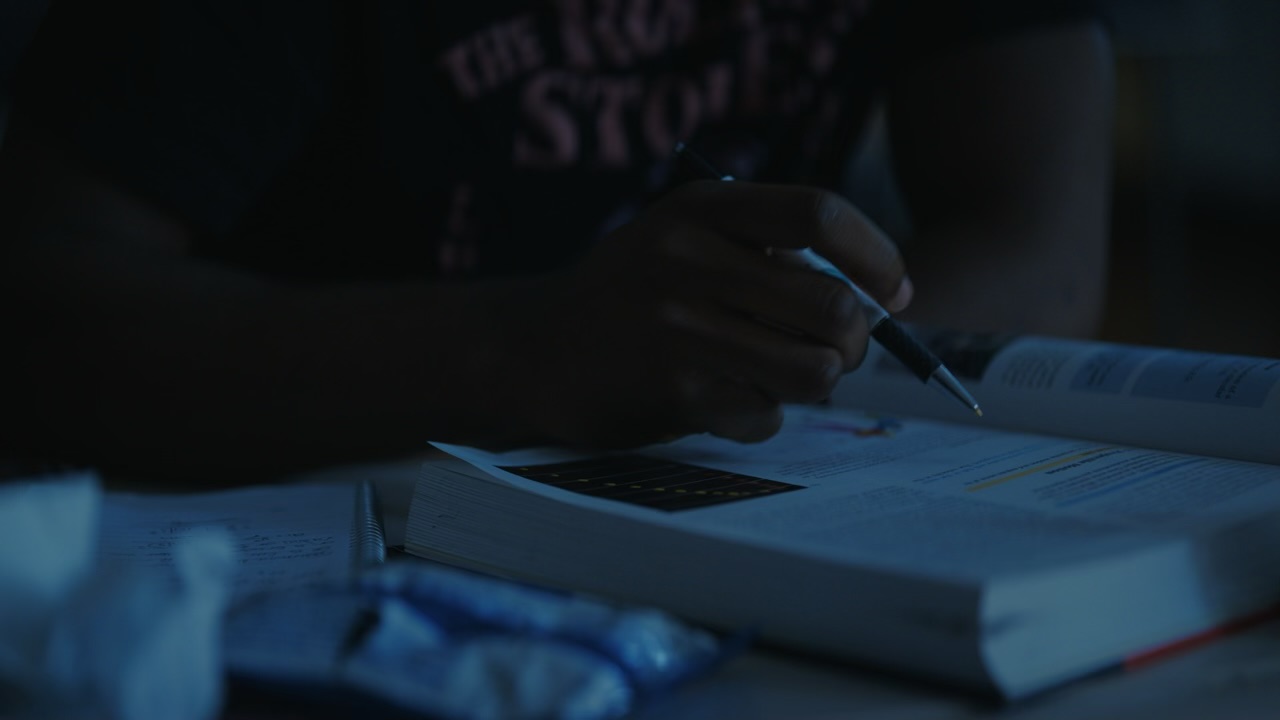
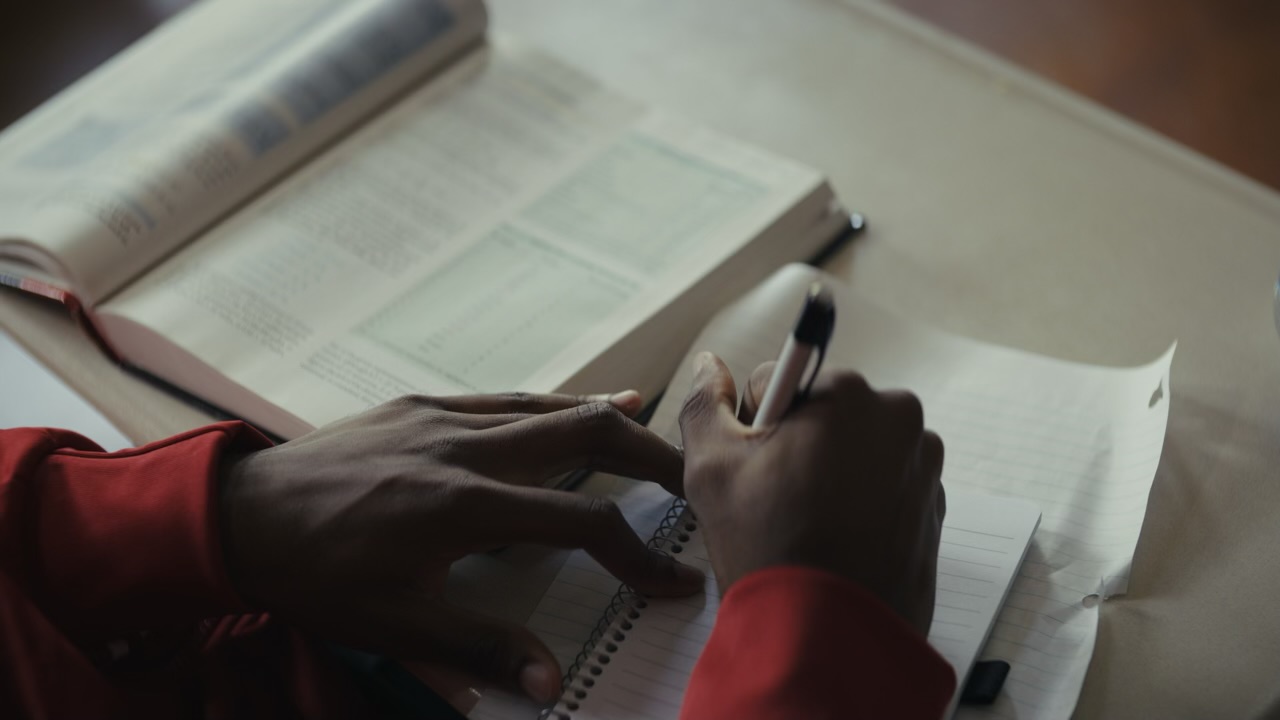
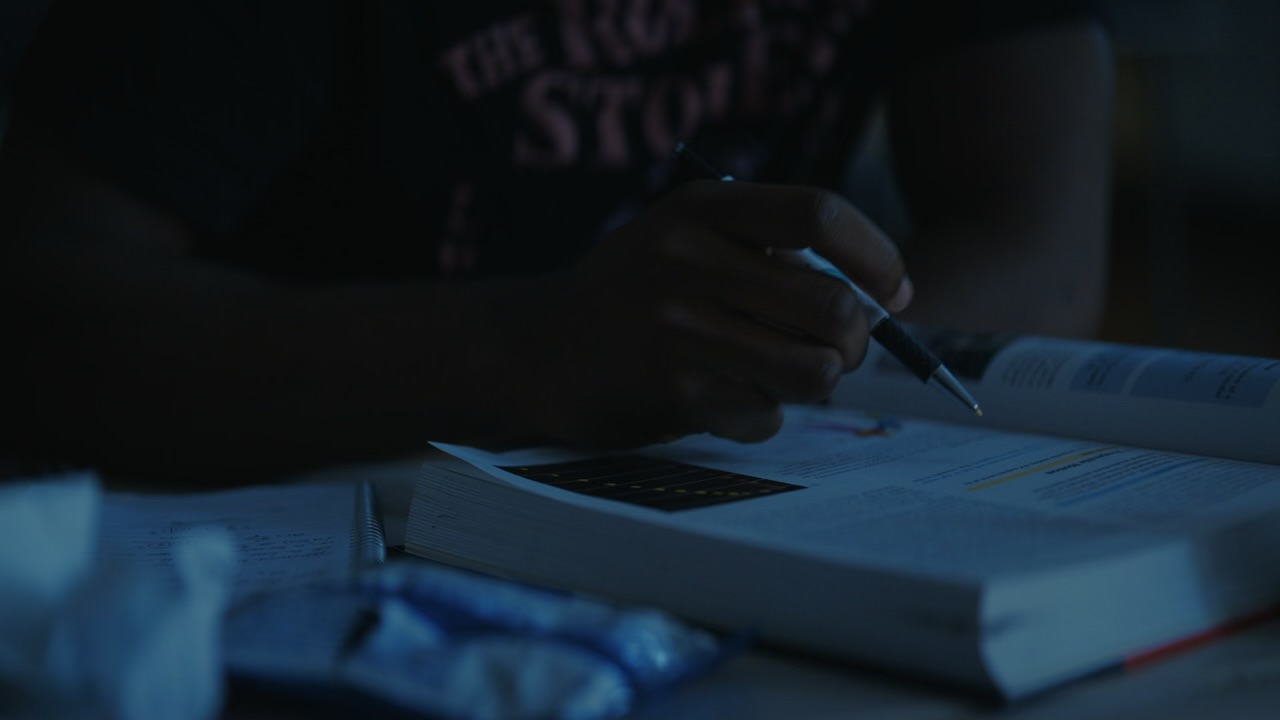
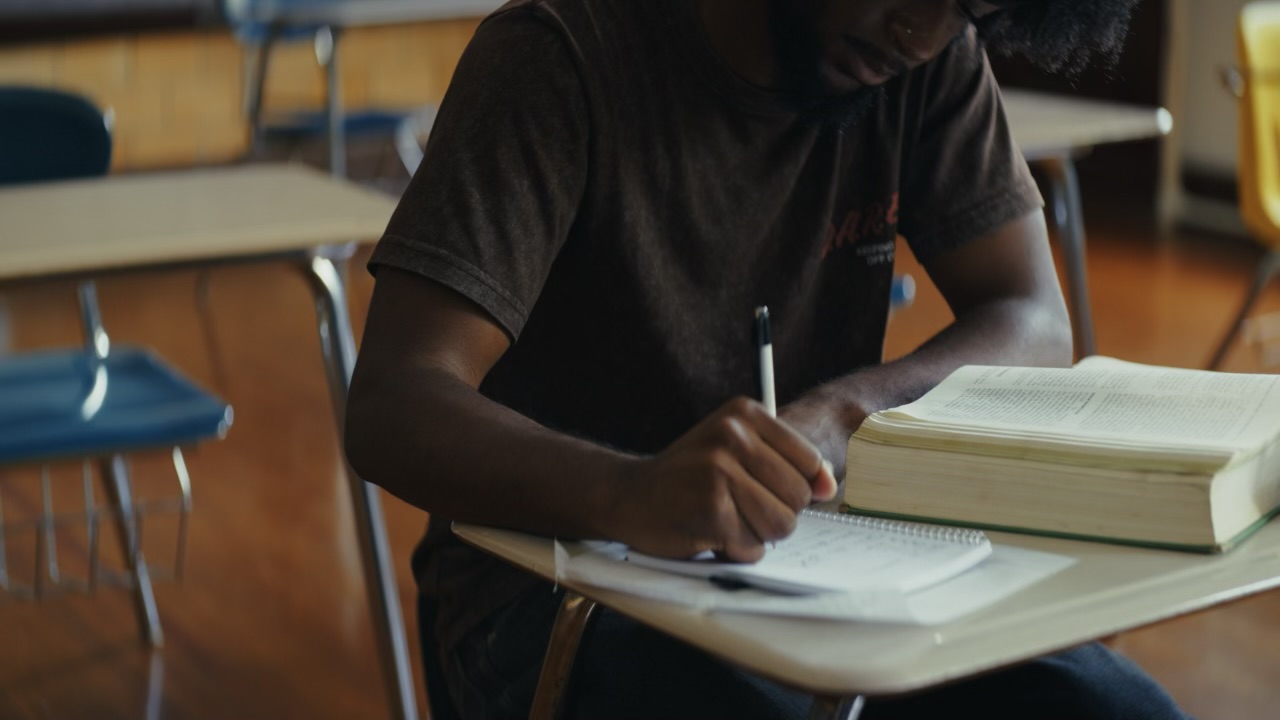
Insert work — pen on paper, hand to chin, textbook margins. These are the beats that sell the discipline. Shot tight, shallow, and slow. We never rush the detail; it is what separates a fundraising spot from a music video.
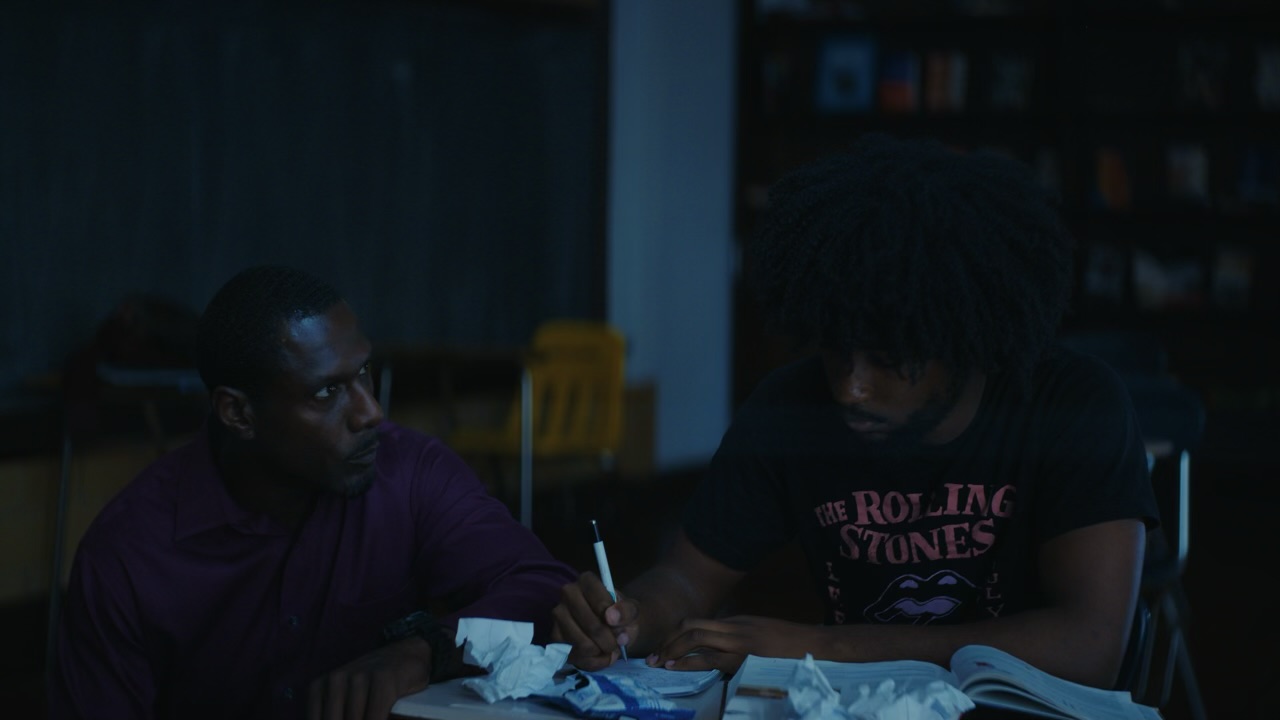
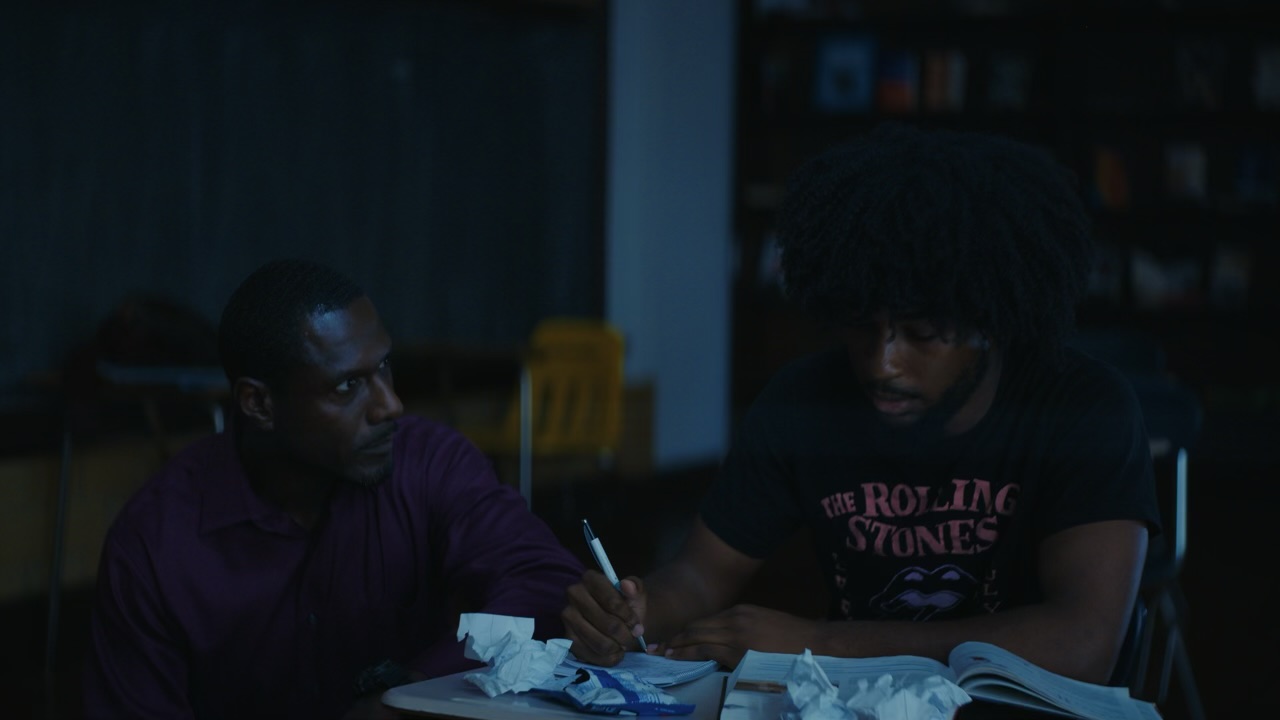
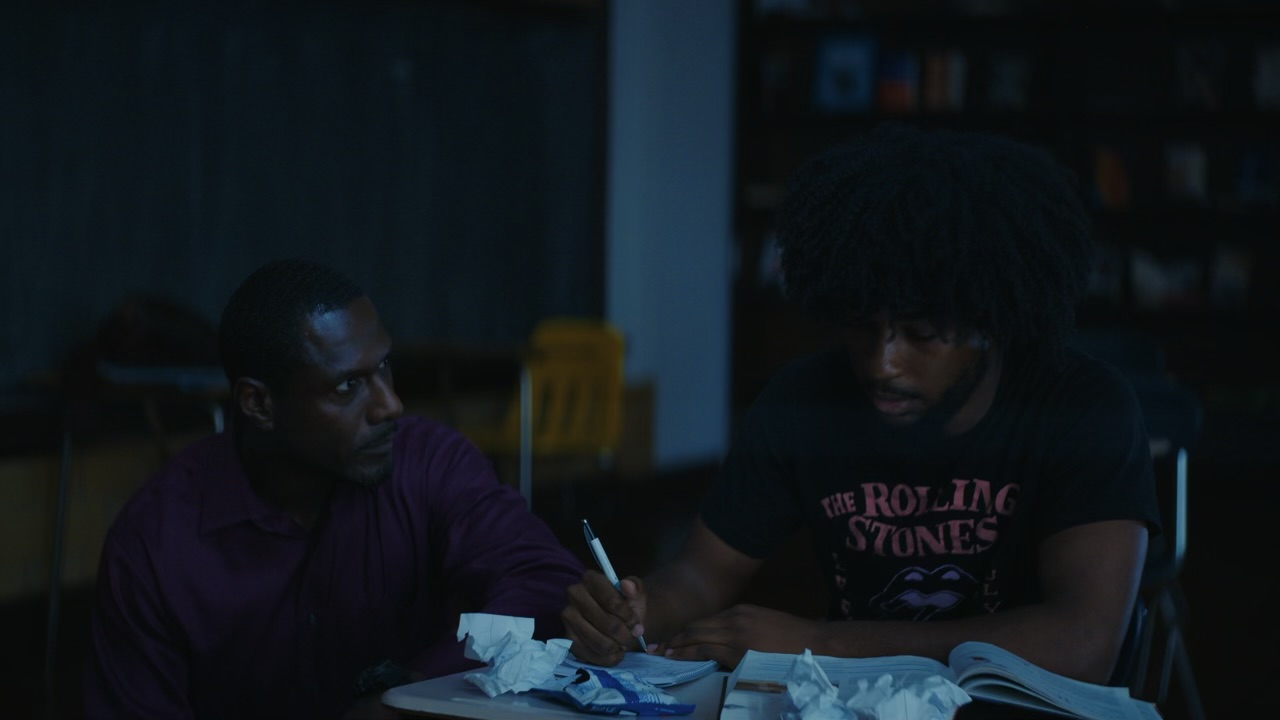
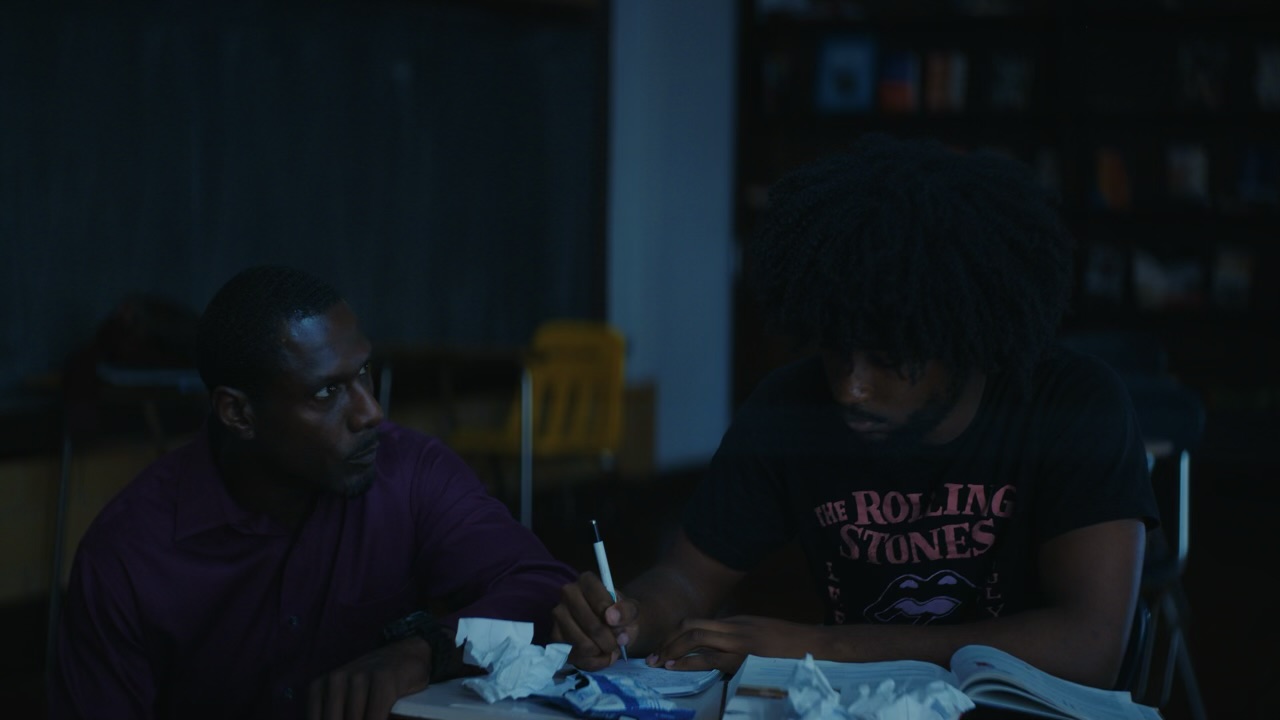
Two figures share a frame without spectacle — mentor and student, side by side in the same low light. We let the silence do the work. No score swell, no push-in. The scene earns its weight by simply staying.
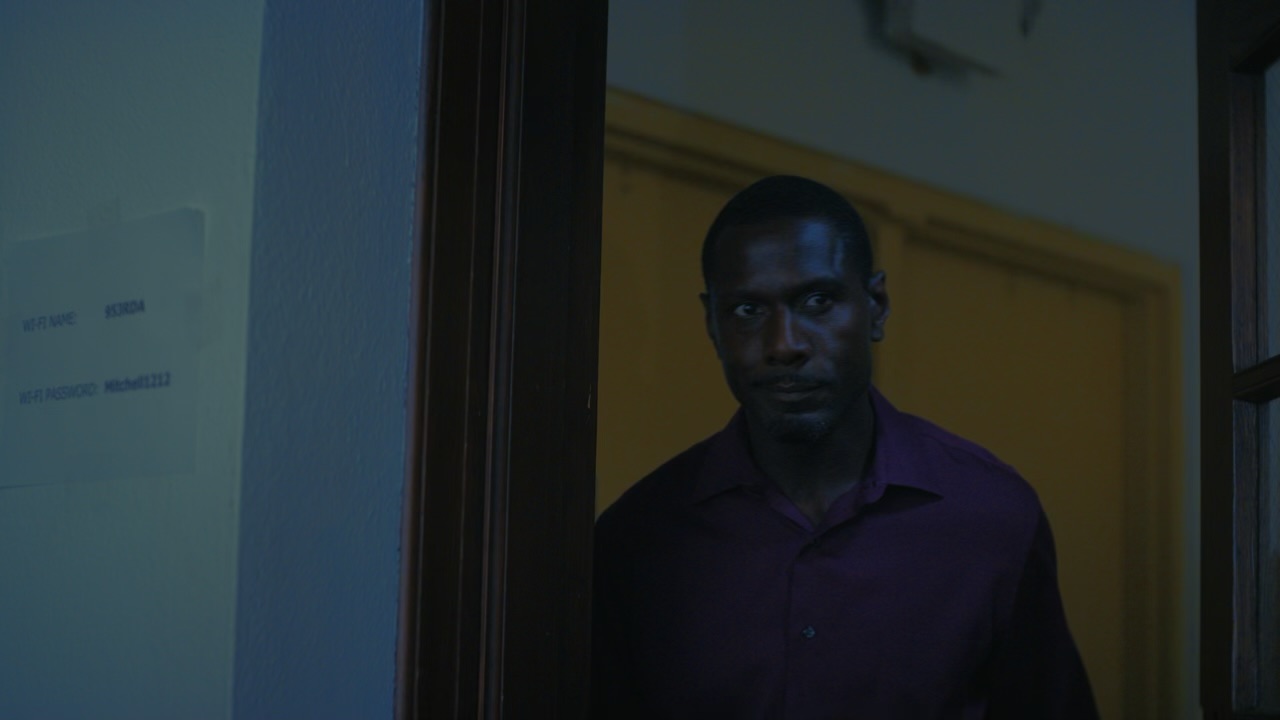
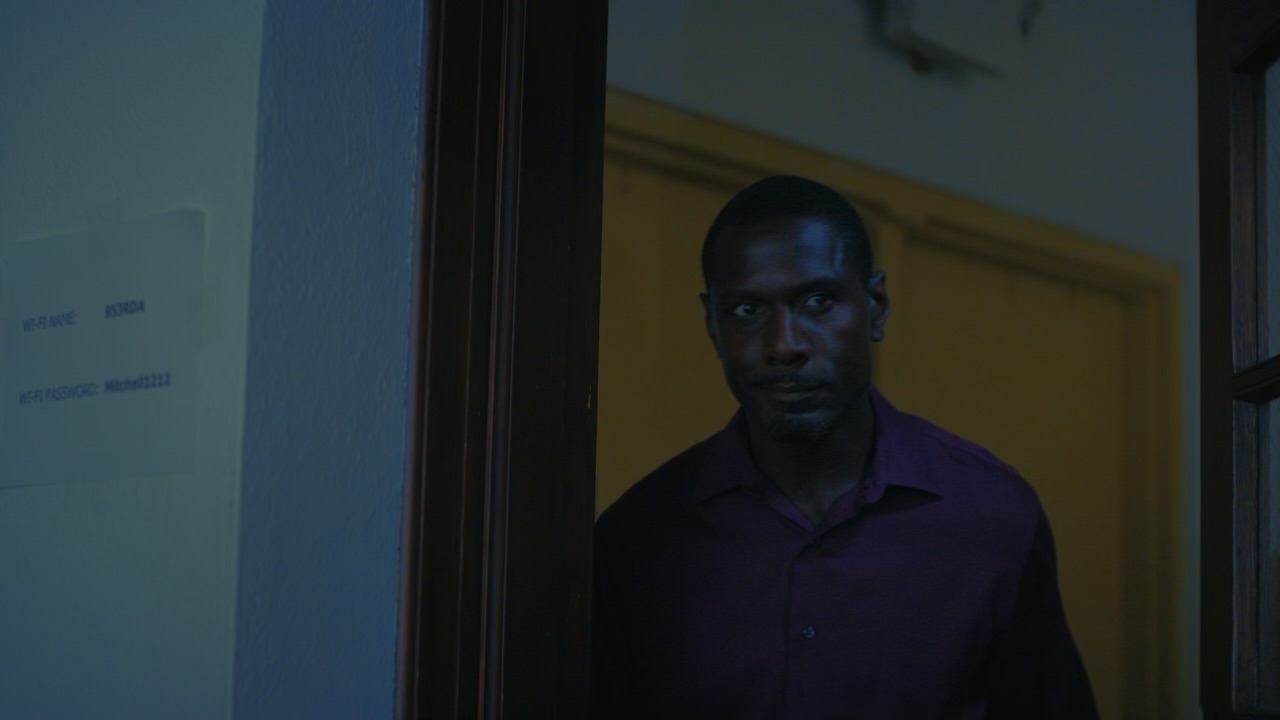
A single held frame in a doorway — half lit, half shadow. This is the pivot of the cut: the moment before the lesson lands. We hold one beat longer than feels comfortable, then move.
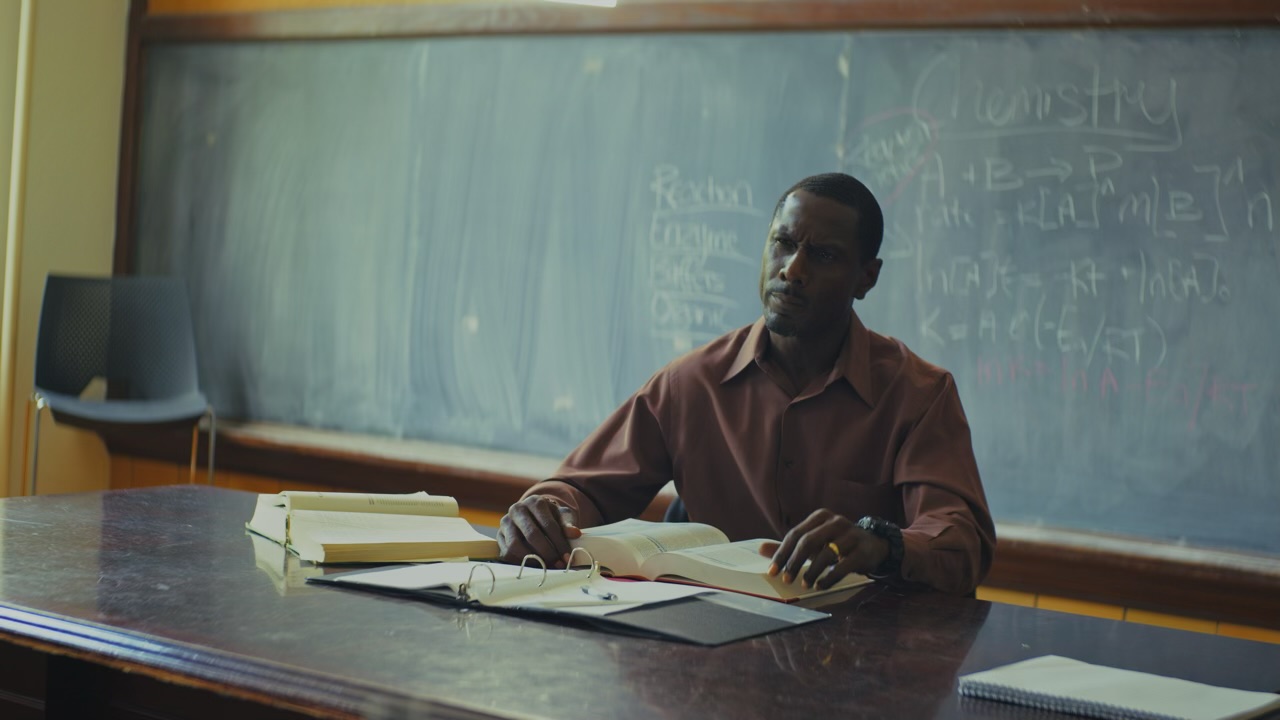
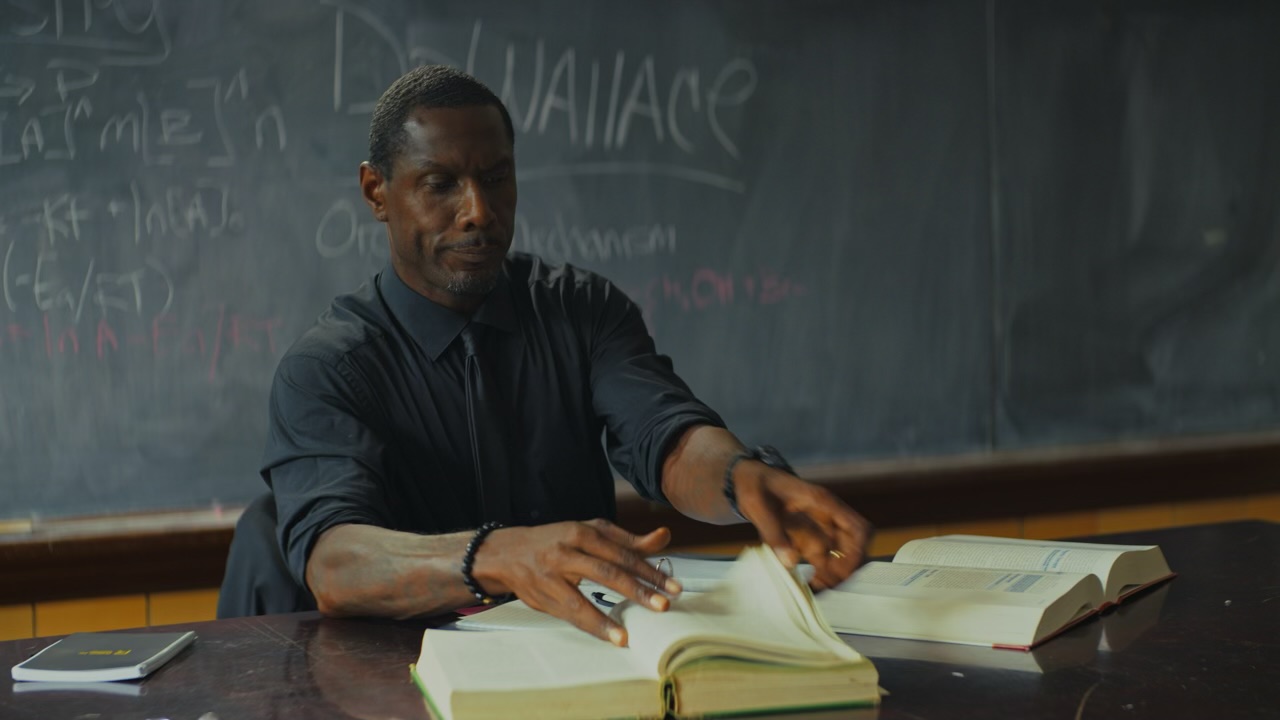
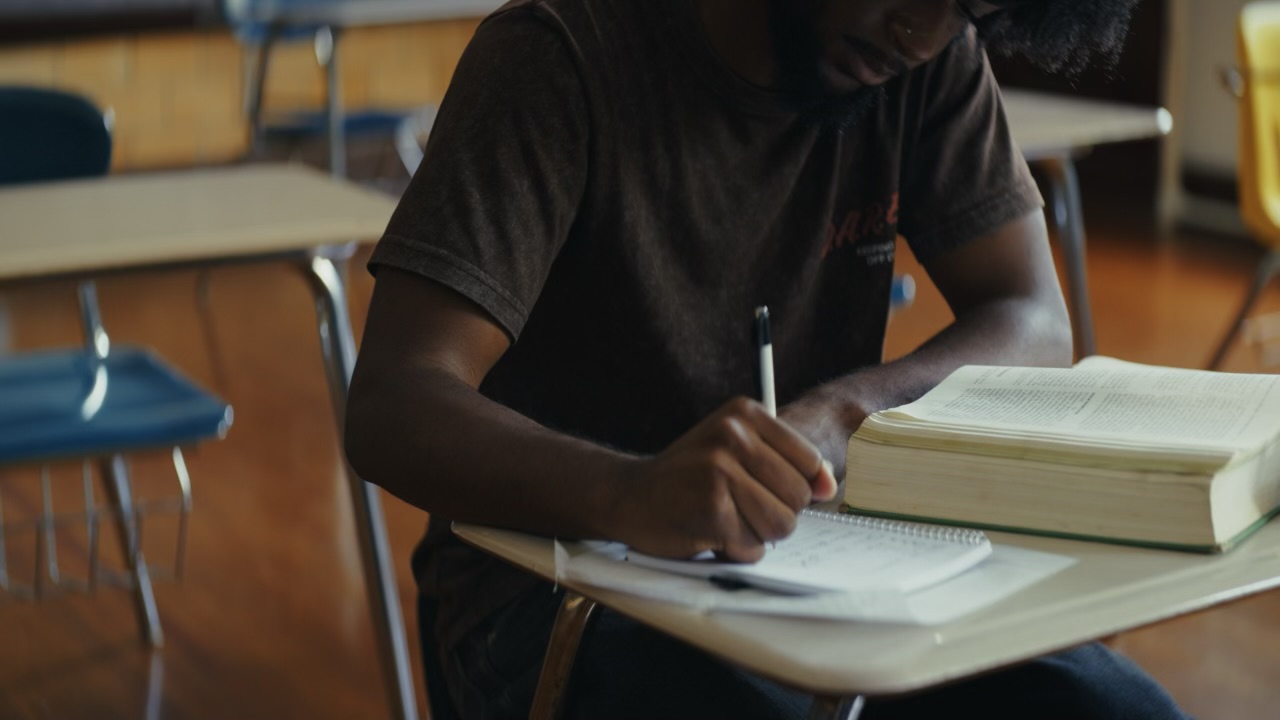
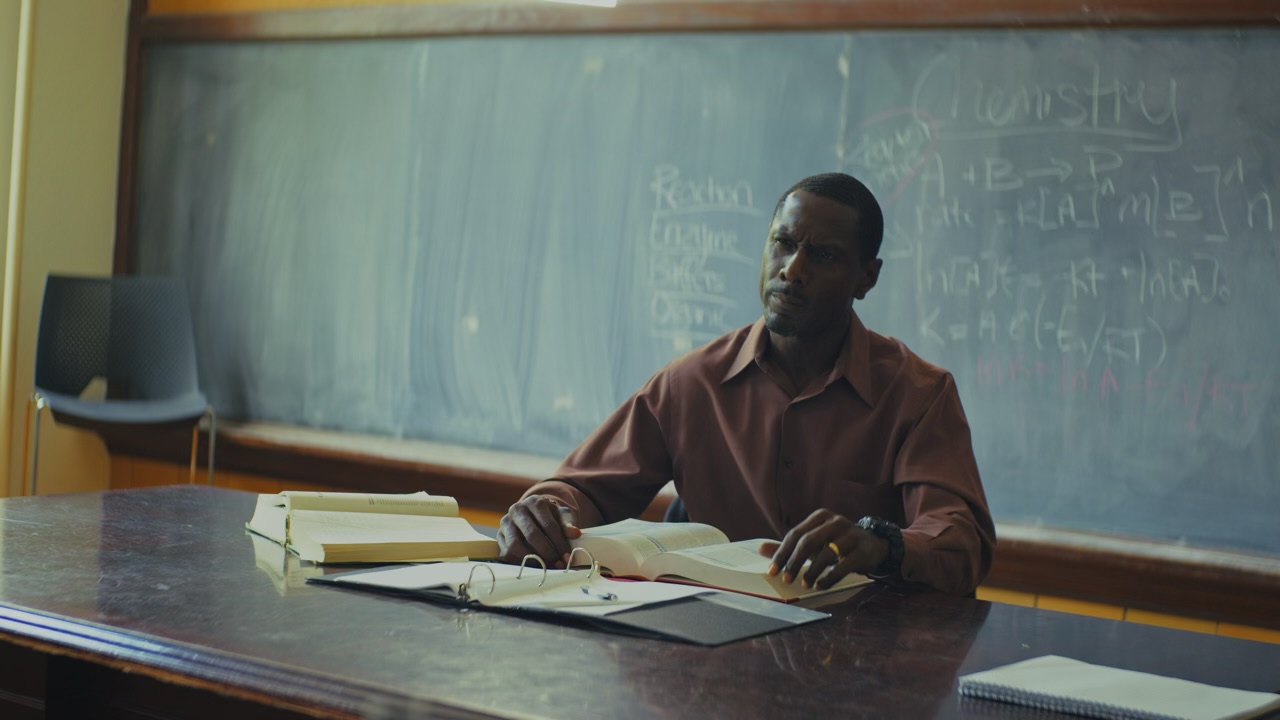
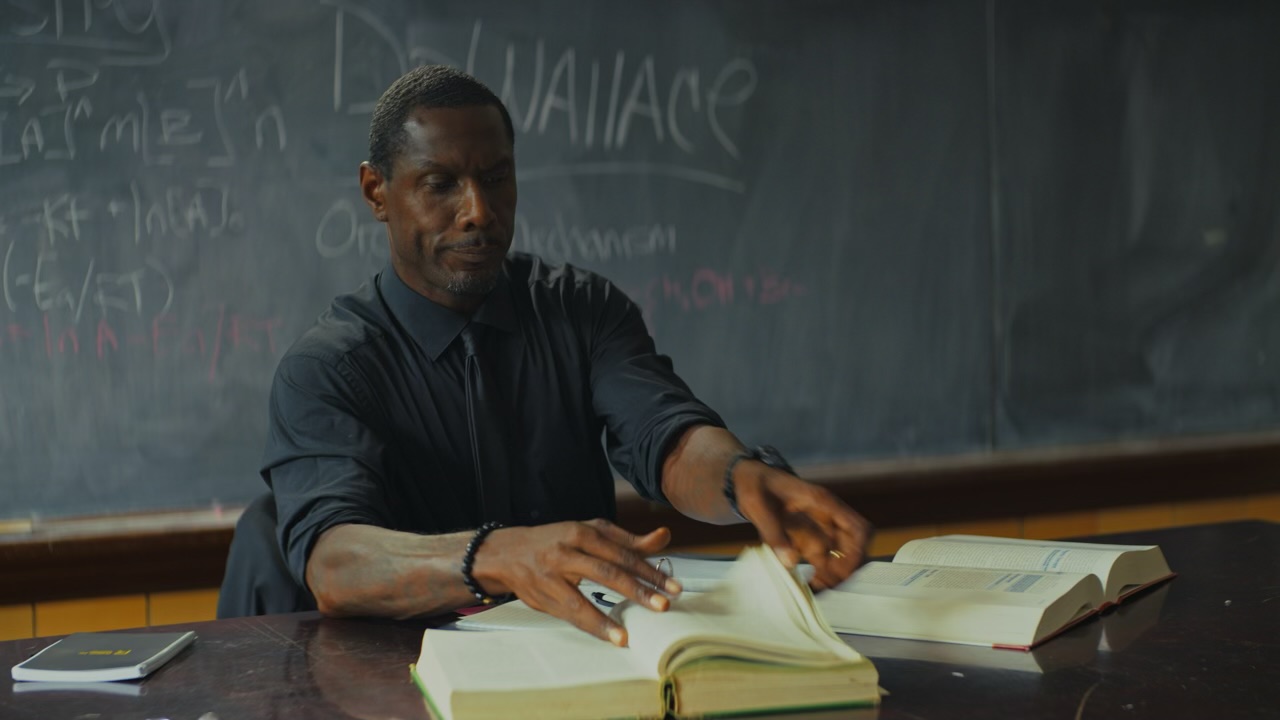
We close on the chalkboard — chemistry, equations, the residue of a lesson given. The board is our final image because the campaign is about what gets passed on, not what gets said. End on the evidence of teaching, not the teacher.
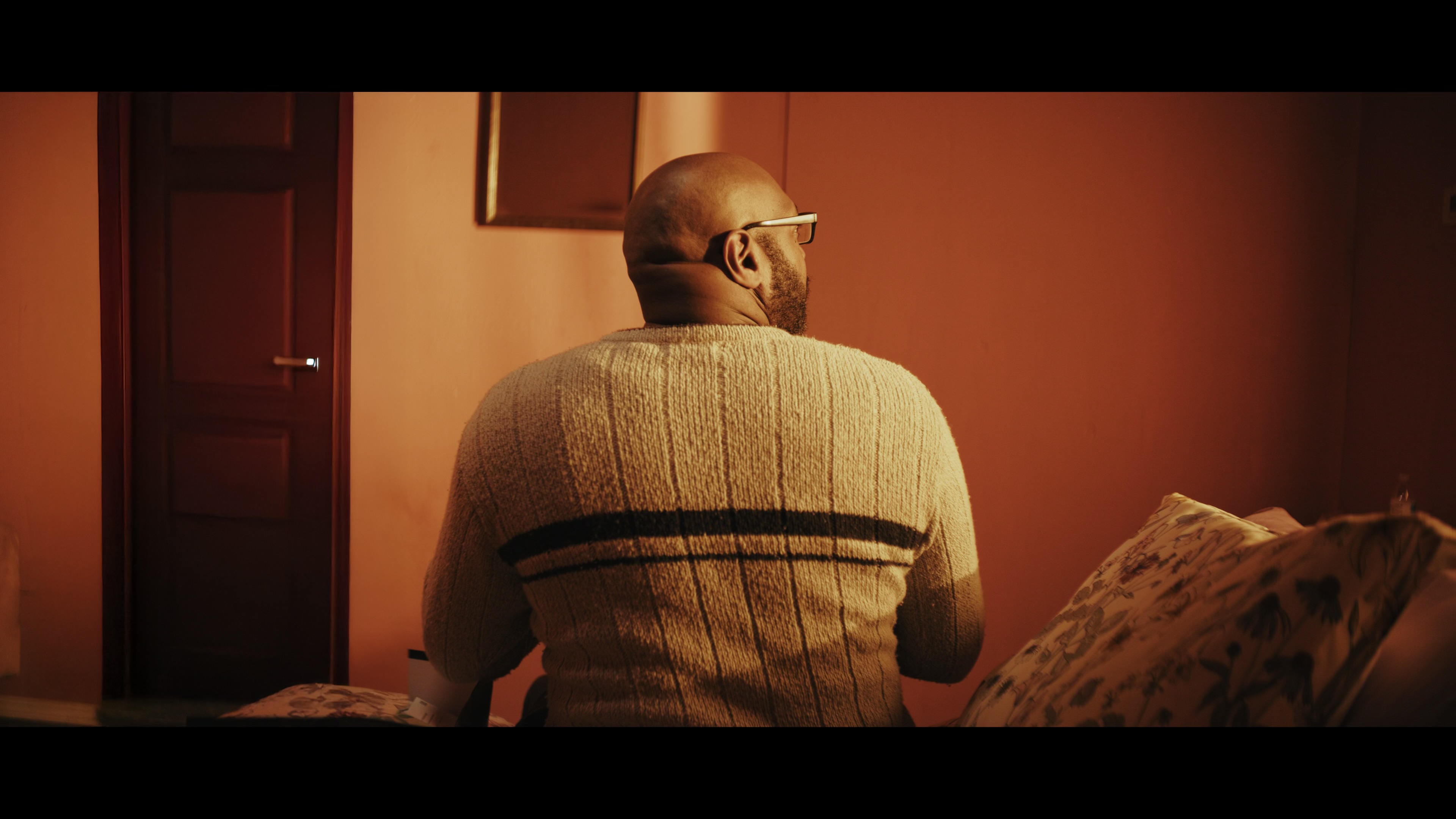
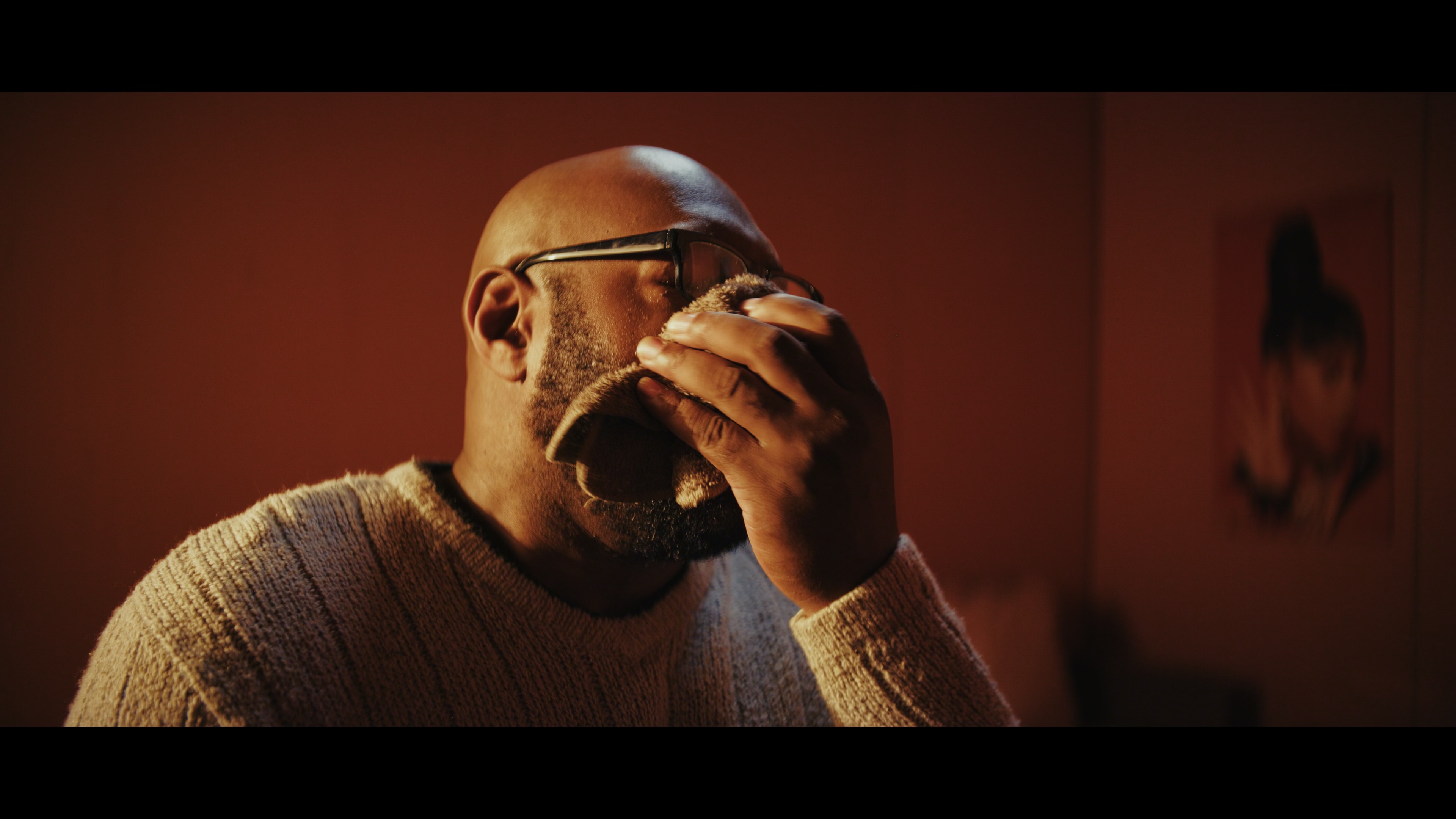
We leave the classroom and follow the story home. Same low-key language, now warm amber instead of cool navy — the grade shifts with the light of a bedside lamp. The father is shot from behind, small in the frame, so the room reads larger than the man. This is where the campaign earns its emotion: the lesson only matters because of where it lands.
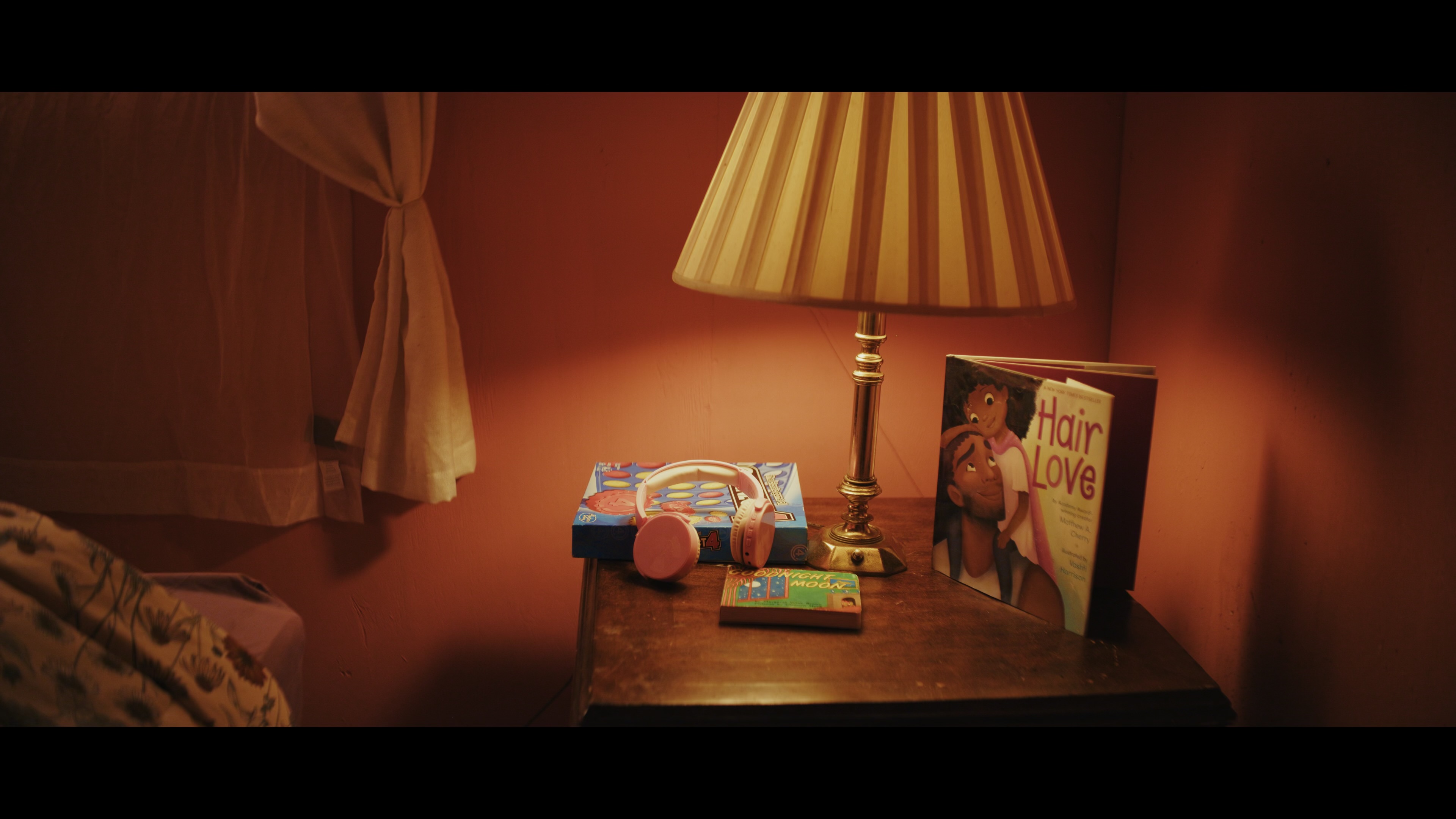
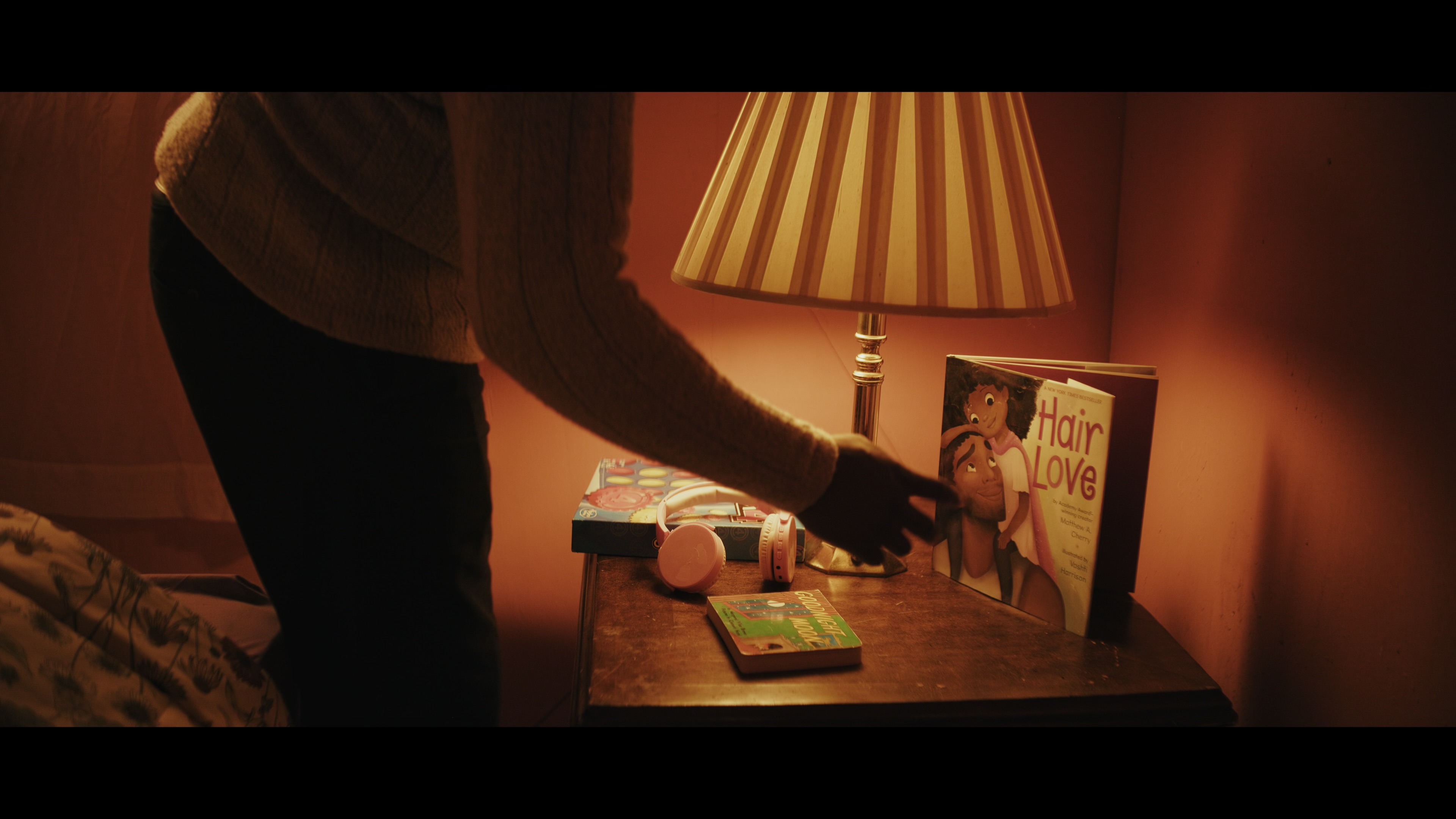
The nightstand is our still life — Goodnight Moon, Hair Love, a pair of pink headphones, a lamp throwing one warm pool of light. We hold on the objects because they are the proof of a life being built around a child. No faces, no dialogue. The props carry the whole beat.
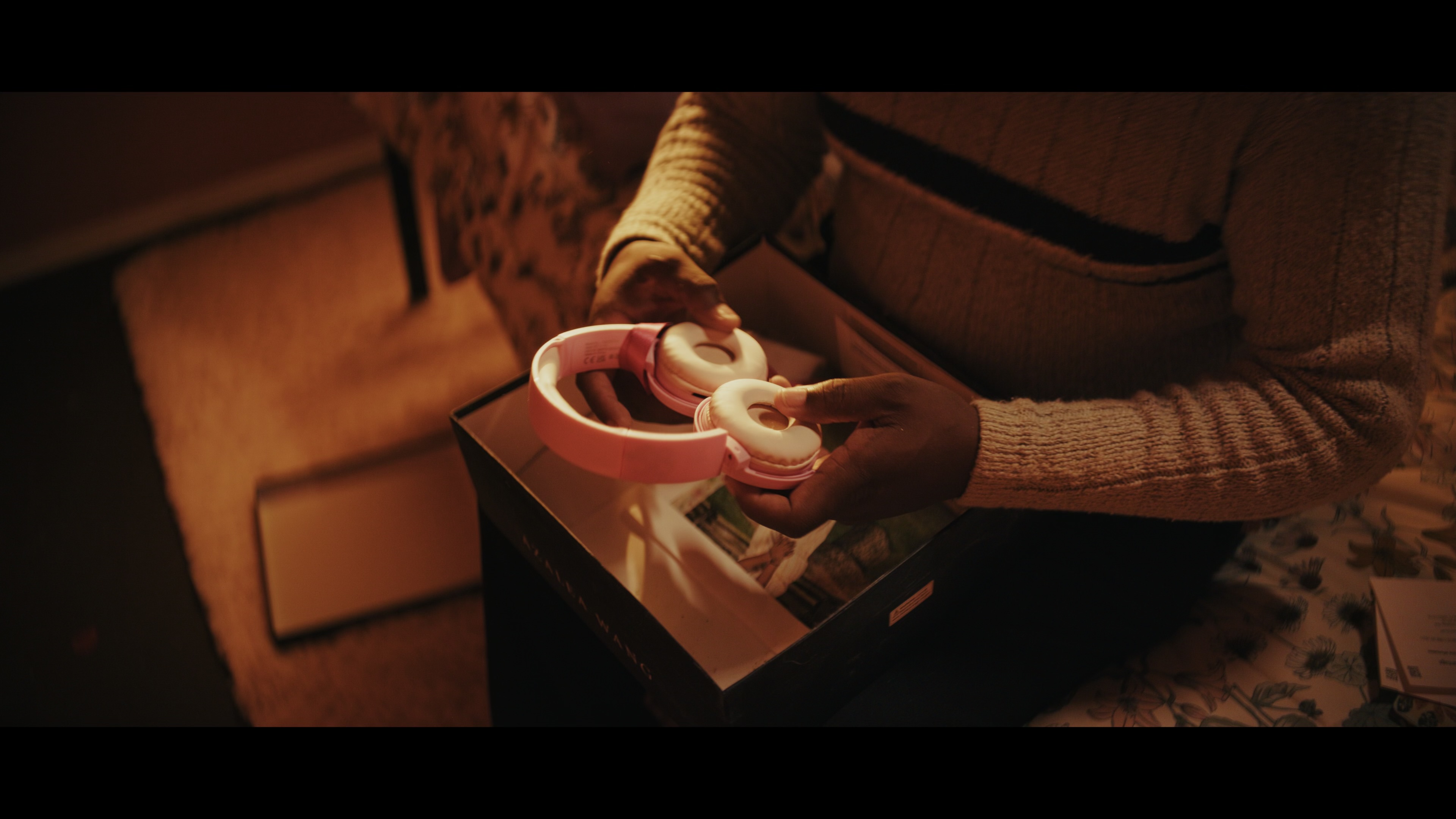
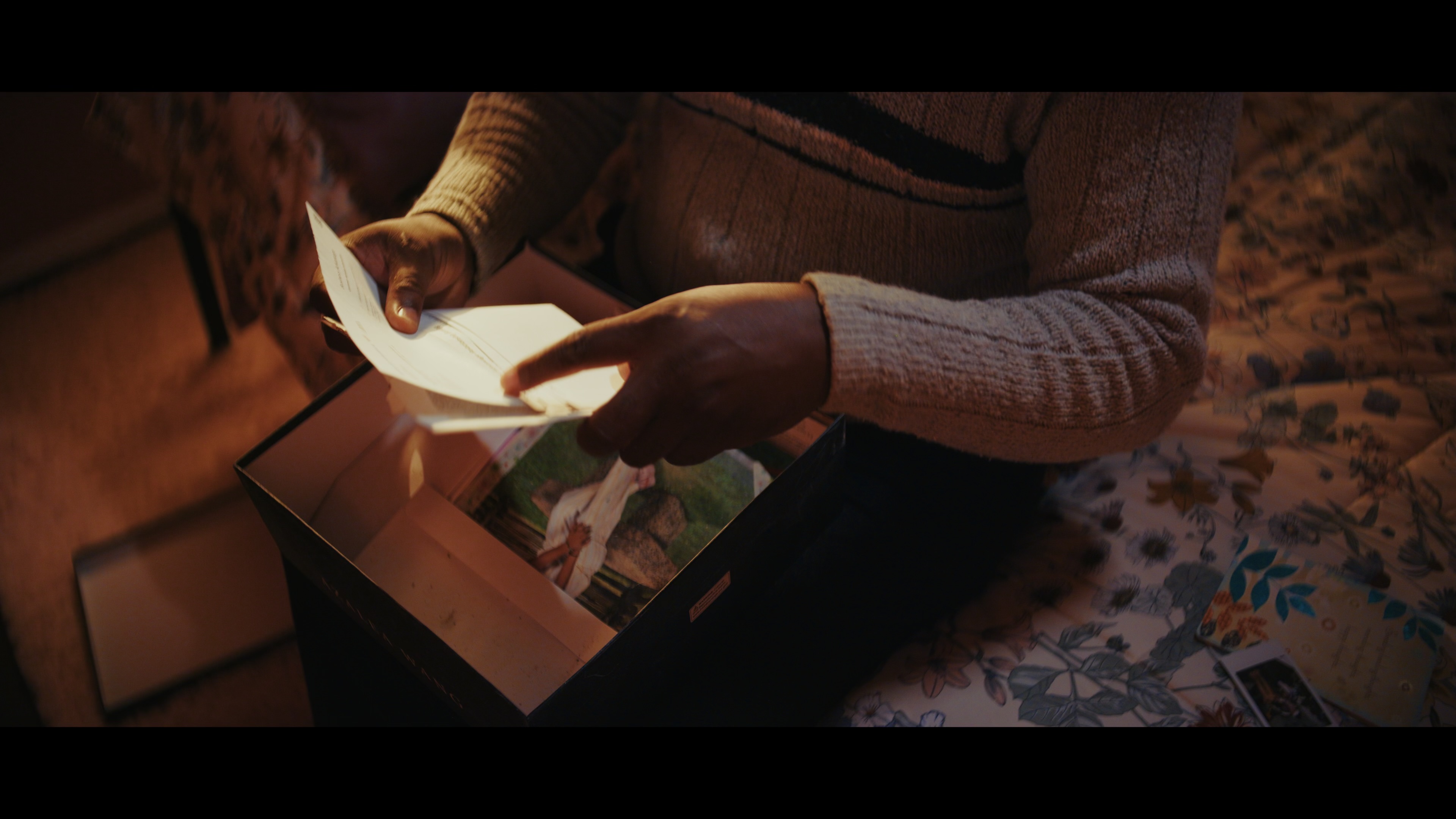
A box opens. A letter unfolds. We never read the words — we only watch the hands. This is the turn of the third act: the foundation is not a lesson, it is a gift passed from one generation to the next. End tight on the paper, then cut to black.
Midnight Navy
Primary background — low-key classroom
Slate Blue
Secondary tone — dim walls, shadow
Amber Gold
Accent — highlights, titles, kickers
Jacket Red
Wardrobe — focal subject red jacket
Chalk White
Chalkboard text, negative space
Chalkboard Green
Lesson scene — chemistry board
What ships.
One 60-second hero cut, one 30-second and one 15-second cut-down for paid social, and a set of vertical 9:16 lifts pulled from the same color grade. All deliverables share the low-key grade and the single-accent palette so the campaign reads as one piece across every surface it lands on.